WMS · WCS · WES · equipment interfaces

Swisslog warehouse control system decisions grounded in operating evidence

Translate throughput, storage density, WMS/WCS/PLC handshakes and acceptance criteria into reviewable engineering requirements before capital commits. Swisslog keeps evaluation tied to the material-flow map your distribution center actually runs—not brochure rates detached from SKU mix and peak windows.

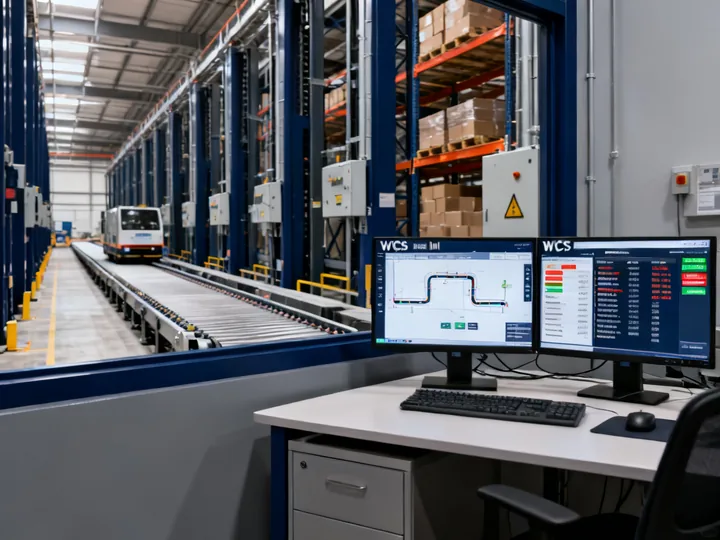
Warehouse material flow map from receiving through shipping
  • Receive
  • Store
  • Pick
  • Sort
  • Ship
Profile-bound rate

Throughput stated with SKU mix, order lines, replenishment, accumulation and peak window length.

Interface matrix

WMS, WCS, WES, PLC and fleet ownership for commands, timeouts, alarms and recovery.

FAT / SAT gates

Factory and site acceptance cases tied to installed geometry and live load assumptions.

Serviceability

Diagnostics, critical spares and maintenance access visible before operational handover.

Evaluation inputs

Tabbed Swisslog data groups before rate claims

Keep load profile, controls boundary and site constraints in one review record instead of scattered slide decks.

Load unitPallet, tote, carton or shuttle-compatible dimensions, weight bands and overhang rules
SKU / order mixActive SKU depth, lines per order, multi-line share and velocity classes
Peak windowDesign rate, peak factor, duration and recovery time after backlog
Equipment and controls stack

Swisslog systems evaluated as one material-flow boundary

Product conversations stay attached to storage density, shuttle or crane duty cycles, robotics paths and the control layer that must own each handshake.

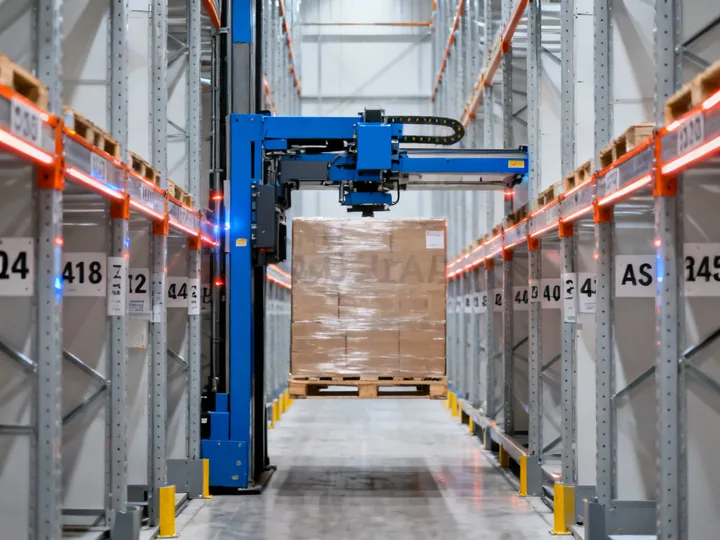
AS/RS aisle with stacker crane and pallet locations

Dense storage & AS/RS

Selectivity, fire access, replenishment and crane or shuttle duty cycle reviewed against SKU velocity bands.

Review catalog →
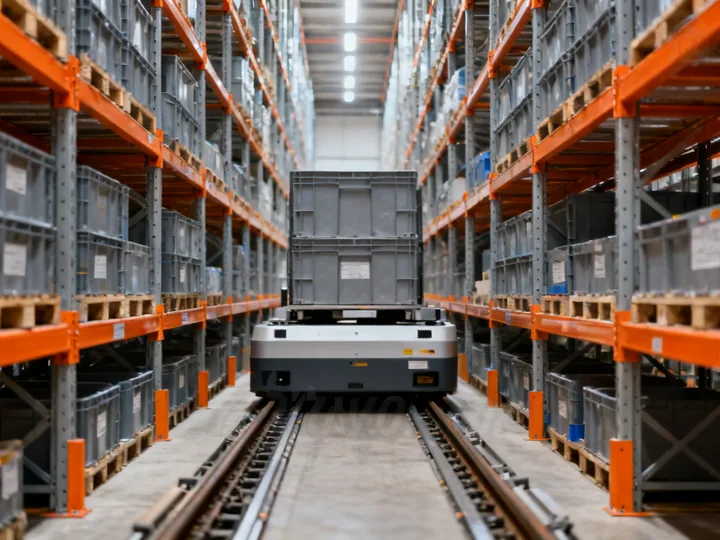
Shuttle system operating in dense storage rack

Shuttle & storage systems

Cube utilization gains stay paired with maintenance aisles, recovery paths and expansion sequencing.

Review catalog →
AMR fleet crossing marked warehouse lane

AGV, AMR & robotics

Fleet traffic rules, charging and blocked-destination logic stay attached to the same interface matrix.

Review catalog →
Operating profiles

Industries where Swisslog starts from the flow model

E-commerce fulfillment

High SKU depth and short cutoffs stress induction balance, sorter recirculation and WCS release logic during peak hours.

Grocery distribution

Store-order sequencing, mixed tote and pallet flows and temperature zones change buffer sizing and exception routing.

Manufacturing supply

Line-side deliveries need takt alignment, load identity and a defined response when a workcell cannot receive material.

Healthcare logistics

Traceability and controlled access must stay attached to physical handoffs, quarantine locations and recovery records.

Cold storage automation

Sensor behavior, maintenance access and duty cycles are reviewed at the stated temperature band before SAT.

Regional DCs

Brownfield conveyors, shared docks and phased cutover windows define which automation layers can go live first.

Compare operating profiles →
Flow-data RFQ

Send the five Swisslog inputs that unlock a useful evaluation

Generic brochure rates stall decisions. Share the operating boundary so controls, mechanical and site teams can review the same record.

Contact engineering
  1. Load unit definition and weight bands
  2. SKU depth and order-line profile
  3. Peak rate with window length
  4. WMS / WCS / PLC interface list
  5. Site constraints and cutover limits